Make a prediction.
Use a diagram, graph, or calculation to decide what should happen.
Teacher-created · New York Regents Physics
Give the calculation something to explain.
Guided flights, story-based challenges, and written reasoning help students connect the physics on paper with the motion in front of them.
No student account · Untimed planning · Printable materials
A short flight reveals two different ways to describe motion.
The craft travels 18 meters, but its displacement is zero. The explanation matters as much as the answer.
Explore the worked flightUse a diagram, graph, or calculation to decide what should happen.
Compare the flight with the first response. Explain what changed and why.
Connect the experience to written work and Regents-style question clusters.
How students learn
Students need more than a correct answer. They need a way to connect what they calculate, what they observe, and what they can explain.
Read the situation and commit to an initial idea.
Run the flight. Pause, replay, and examine the evidence.
Connect the calculation to what actually happened.
Keep the first response and explain the correction.
 FIRST LIGHT ACADEMYFLIGHT NOTES / DISTANCE & DISPLACEMENT
First response
“It came back, so it traveled 0 meters.”
After examining the flight
“It traveled 9 meters out and 9 meters back. The distance is 18 meters, but its displacement is 0 meters.”
Illustrative example · Not a student record
Connected to the classroom
New York’s Regents Physics question clusters ask students to work with shared evidence: graphs, diagrams, data, and explanations.
First Light’s teacher-created activities give students practice connecting those representations, beginning with motion.
Explore a sample clusterA craft reaches a beacon, then returns partway.
| Checkpoint | Time | Position |
|---|---|---|
| Start | 0 s | −15 m |
| Beacon / turn | 8 s | +25 m |
| Holding point | 14 s | +10 m |
How far did it travel? How did its position change?
What evidence supports your explanation?
A growing world of physics
Guided lessons, mission planning, and story-based exploration share one purpose: giving the physics a meaningful context.
Guided learning
Build a foundation in motion through guided flights, graphs, and written explanations.
Explore the Academy
Motion in two dimensions
Calculate horizontal and angled flights across four gravity worlds.
Play · View library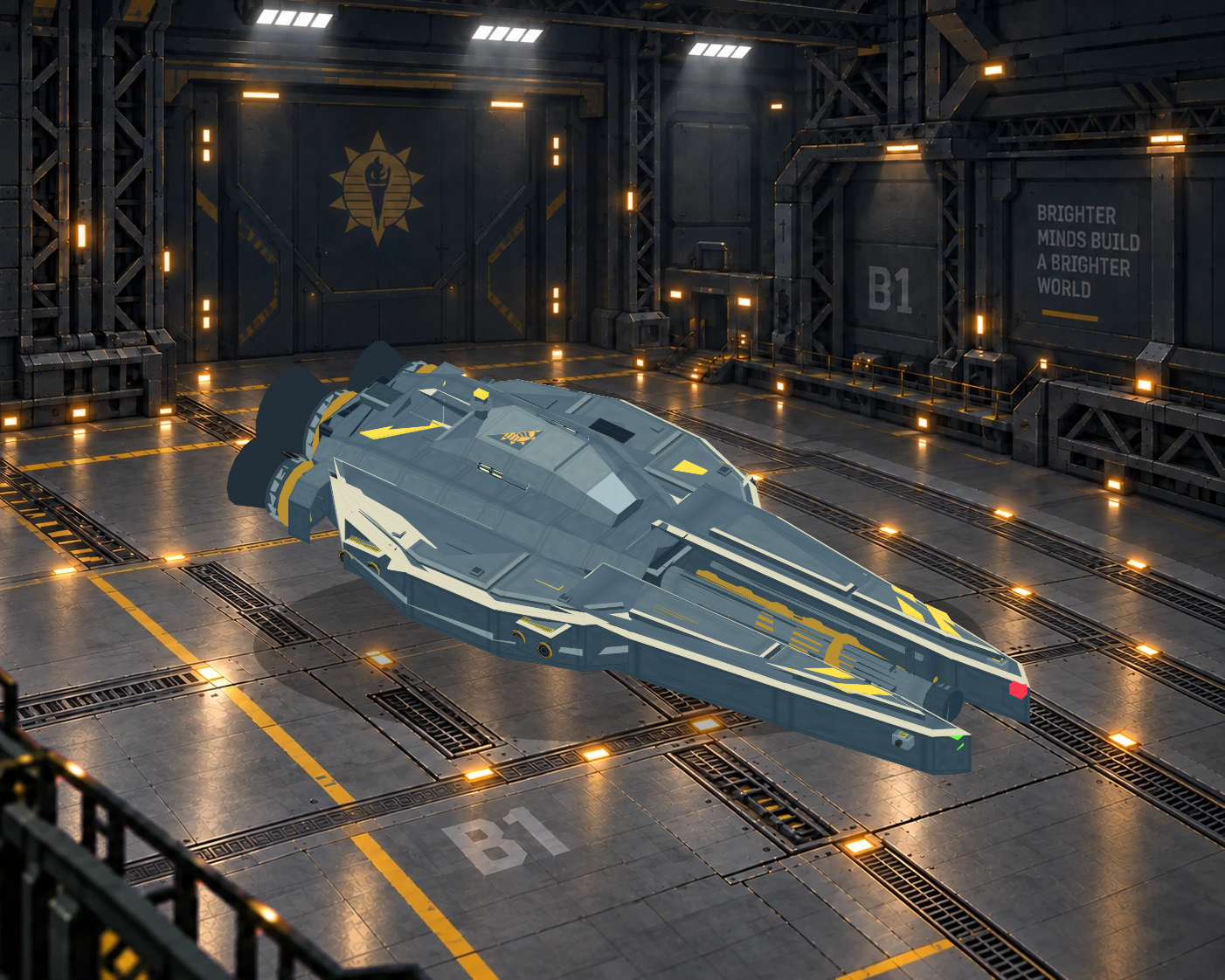
Physics through mission planning
Explore three-dimensional motion through missions and the open simulator.
Explore Fleet Mission Lab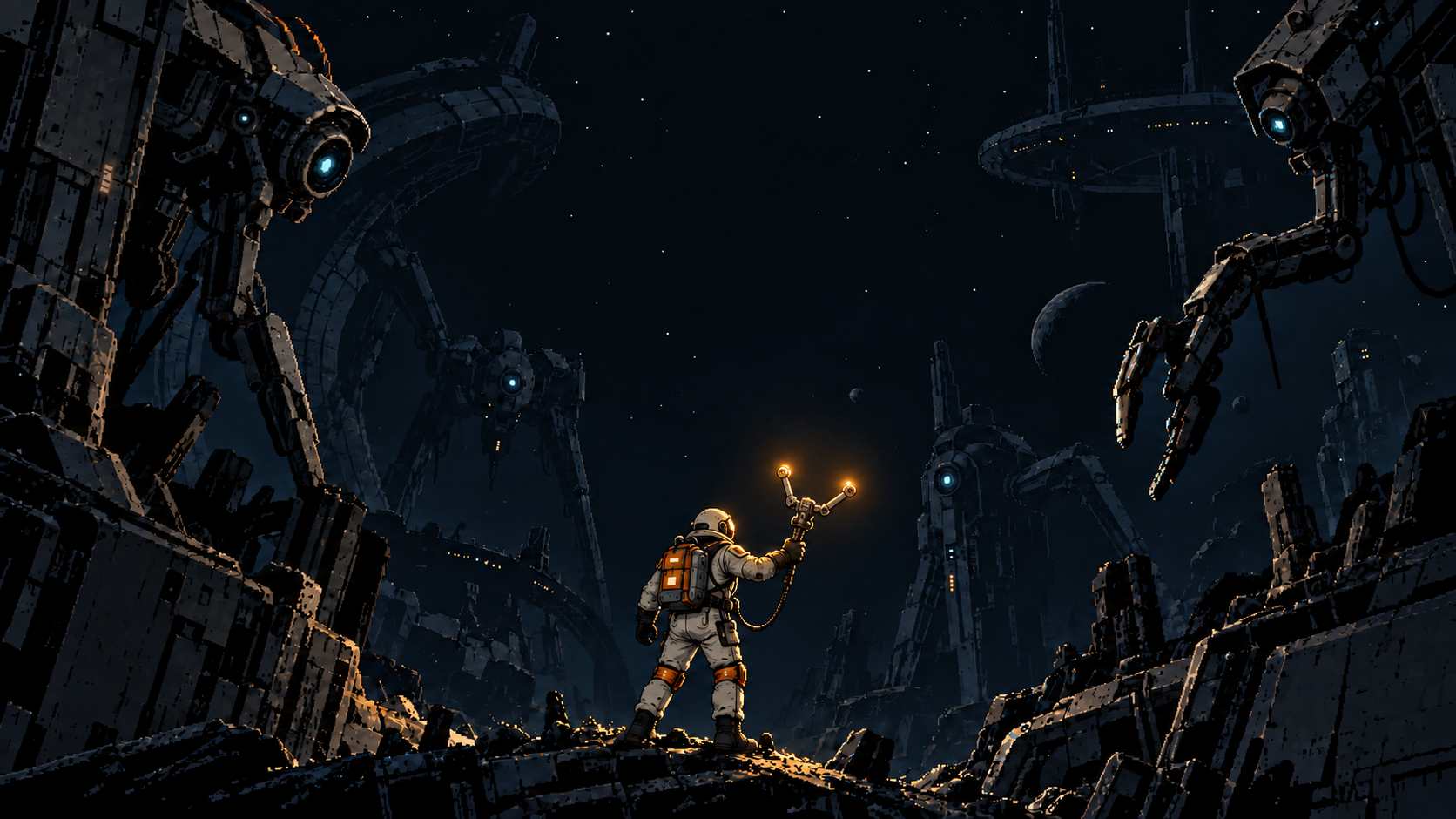
Physics through story
Navigate, grapple, and solve problems in a growing science-fiction adventure.
Explore Torch BearerReady to get started? Students can go straight to the library.
Open Student LibraryLearning on and off screen
Printable materials and reference tables support the work students do on screen.
“I’m developing First Light Physics to help students connect the calculations they write with the motion they can observe.”
Alec Gonzalez Creator of First Light Physics
No student account is required. Planning and reading are untimed. Progress stays in the browser on the device being used; students should export their records before changing devices. Written reasoning is reviewed by the instructor.